
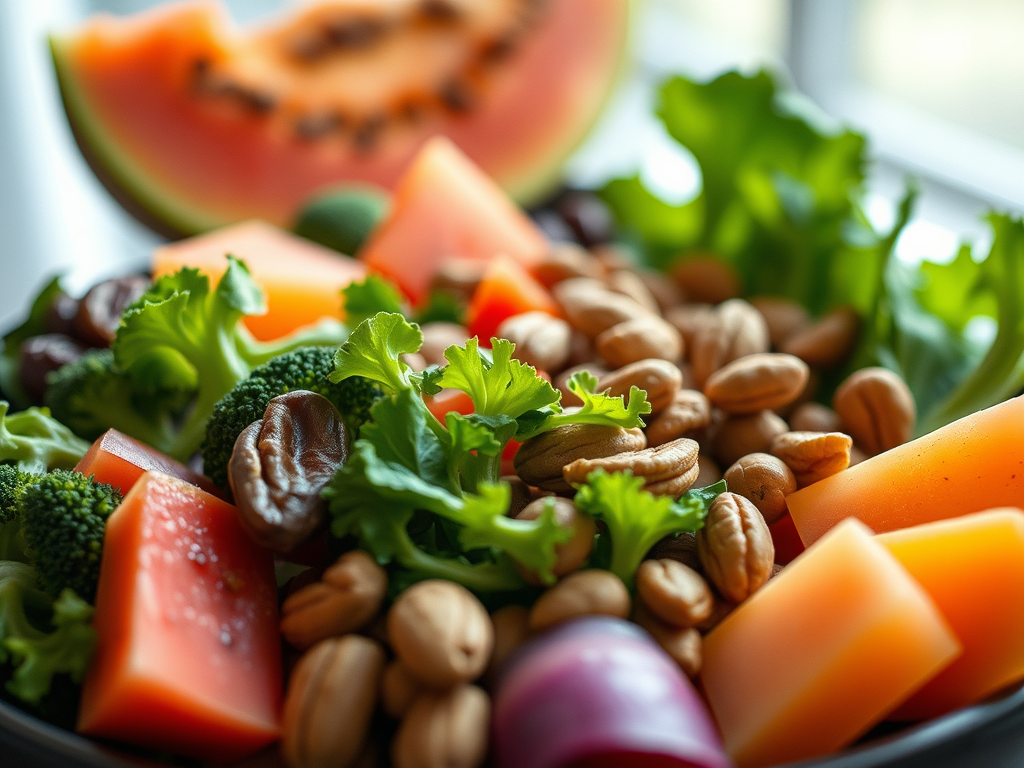
Living with acid reflux or Gastroesophageal Reflux Disease (GERD) can be challenging, but understanding the role of diet in managing these conditions can make a significant difference. In this post, we’ll explore alkaline foods, their benefits, and how to combine them with acidic foods to create a more balanced, reflux-friendly diet.
Before diving into specific foods, it’s important to understand the basics of pH:
- The pH scale ranges from 0 (most acidic) to 14 (most alkaline), with 7 being neutral.
- Our bodies maintain a slightly alkaline blood pH of about 7.4.
- Foods can be categorized as acidic, neutral, or alkaline based on their effect on the body after digestion.
Alkaline foods are those that, when metabolized, produce alkaline byproducts. These foods can help neutralize stomach acid and may ease reflux symptoms.
Some alkaline foods include:
- Vegetables: Leafy greens, broccoli, cauliflower, asparagus
- Non-citrus fruits: Melons, bananas, apples, pears
- Nuts and seeds: Almonds, pumpkin seeds, sunflower seeds
- Whole grains: Quinoa, oatmeal, brown rice
- Lean proteins: Chicken, turkey, fish
- Herbs and spices: Ginger, turmeric, cinnamon
Acidic and Trigger Foods to Avoid:
- Citrus fruits and juices
- Tomatoes and tomato-based products
- Onions and garlic
- Chocolate
- Mint
- Caffeine
- Alcohol
- Carbonated beverages
- Processed and fried foods
Benefits of incorporating more alkaline foods:
- May reduce inflammation in the digestive tract
- Can help neutralize stomach acid
- Often rich in fiber, which aids digestion
- Typically nutrient-dense, supporting overall health
Combining Acidic and Alkaline Foods:
While it’s beneficial to include more alkaline foods in your diet, completely eliminating acidic foods isn’t always necessary or realistic. Instead, focus on balancing your meals:
- Pair acidic foods with alkaline ones:
- Example: If having tomato sauce (acidic), serve it over zucchini noodles (alkaline) instead of pasta.
- Example: Enjoy berries (slightly acidic) with a handful of almonds (alkaline).
- Use alkaline foods to create buffers:
- Start your meal with a small salad of leafy greens to prep your stomach.
- End meals with a slice of melon or a few almonds to help neutralize acid.
- Cooking methods matter:
- Grilling or roasting vegetables can enhance their alkaline properties.
- Avoid deep-frying, which can increase the acidity of foods.
- Hydrate smartly:
- Drink alkaline water or add a slice of cucumber or lemon to your water.
- Herbal teas like chamomile or licorice root can be soothing and alkalizing.
- Mindful portioning:
- Enjoy acidic foods in smaller portions.
- Fill most of your plate with alkaline vegetables and lean proteins.
Sample Alkaline-Balanced Meal Ideas:
- Breakfast: Oatmeal with sliced banana and a sprinkle of cinnamon
- Lunch: Grilled chicken salad with mixed greens, cucumber, and avocado
- Dinner: Baked fish with roasted broccoli and quinoa
- Snack: Apple slices with almond butter
Tips for Transitioning to a More Alkaline Diet:
- Start slowly: Gradually introduce more alkaline foods rather than making drastic changes.
- Keep a food diary: Track which combinations work best for your symptoms.
- Don’t forget about portion sizes and timing of meals.
- Stay hydrated with alkaline beverages between meals.
- Consider using pH strips to test your urine pH as a general guide (aim for 7.0-7.5).
LIfestyle Changes for Acid Reflux:
- Meal prep: Plan and prepare meals in advance to ensure you always have compliant foods on hand
- Read labels carefully: Many packaged foods contain hidden acids or trigger ingredients
- Don’t eat within 3 hours of bedtime
- Elevate the head of your bed by 6-8 inches
- Wear loose-fitting clothes to reduce pressure on your abdomen
- Manage stress through relaxation techniques or meditation
While diet alone may not cure acid reflux or GERD, incorporating more alkaline foods and thoughtfully combining them with acidic foods can significantly help manage symptoms. Remember, everyone’s body reacts differently, so it’s important to pay attention to your own responses and consult with a healthcare professional for personalized advice.
Maintaining an overall balanced diet, eating mindfully, and making lifestyle changes (like avoiding late-night meals and elevating your head while sleeping) can all contribute to better management of acid reflux and GERD symptoms.
 Gut Friendly Kitchen
Leave a comment