
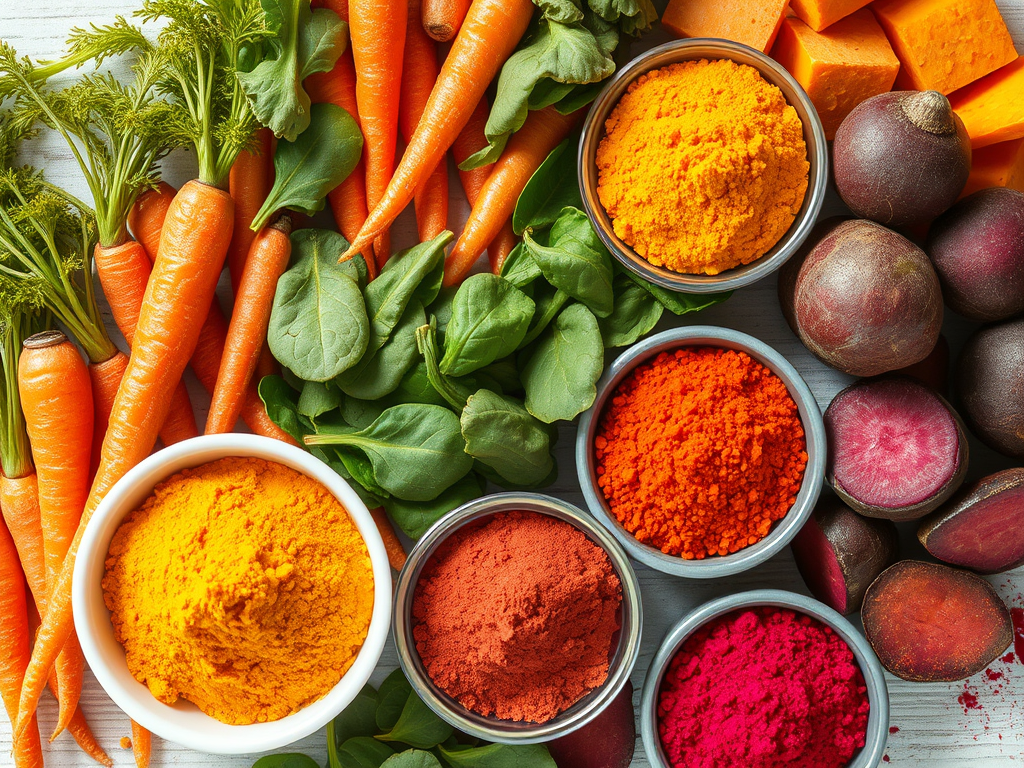
Parents and athletes alike are always searching for ways to sneak in extra nutrition without adding stress at mealtime. One of the easiest, most versatile methods is making your own vegetable powders. By dehydrating vegetables and blending them into a fine powder with a high-speed blender like a Vitamix, you can add powerful nutrients into everyday meals without the taste or texture battles.
Why Veggie Powders Work
- Invisible nutrition: Once mixed into baked goods, smoothies, or sauces, veggie powders are undetectable in both texture and flavor.
- Shelf stable: Unlike fresh produce, powders last for months in an airtight jar, making them easy to store and always available.
- Kid and athlete friendly: Picky eaters and busy athletes benefit from hidden vitamins and minerals without realizing they are eating vegetables.
- Custom blends: You can mix several vegetables together or keep them separate to target specific nutritional needs.
Best Vegetables to Dehydrate and Blend
- Carrots
- Mildly sweet and kid approved.
- Rich in vitamin A to support eye health and immune function.
- Great in muffins, pancakes, or breads.
- Sweet Potatoes
- Adds natural sweetness and bright orange color.
- Loaded with beta carotene, vitamin C, and potassium.
- Excellent for recovery meals for athletes.
- Spinach
- Neutral flavor when powdered.
- High in iron, calcium, and folate.
- Blends seamlessly into chocolate baked goods or smoothies.
- Beets
- Naturally sweet with a vibrant red color.
- Supports blood flow and stamina for athletes.
- Ideal for brownies, energy bites, or pancakes.
- Zucchini
- Very mild flavor.
- Provides hydration, vitamin C, and antioxidants.
- Works well in quick breads and muffins.
- Pumpkin
- Smooth and rich in flavor.
- Packed with vitamin A, fiber, and antioxidants.
- A classic addition to fall baking, oatmeal, or even pasta sauces.
- Broccoli
- Slightly stronger taste, best when blended in small amounts.
- High in vitamin K, vitamin C, and folate.
- Combine with chocolate recipes to disguise the flavor.
How to Make Veggie Powders
- Prep the vegetables: Wash, peel if necessary, and cut into thin slices or small chunks.
- Dehydrate: Use a dehydrator or an oven set to low heat until the pieces are completely dry and crisp.
- Blend: Place dried vegetables in a Vitamix or other high-speed blender. Process until you get a fine powder.
- Store: Keep in airtight glass jars away from light and heat. Properly dried powders can last up to a year.
How to Use Veggie Powders
- Baking: Stir a few tablespoons into muffins, pancakes, waffles, breads, or cookies.
- Smoothies: Add a scoop for extra nutrients without changing the taste.
- Sauces and Soups: Stir into pasta sauce, soups, or casseroles for hidden vitamins.
- Snacks: Mix into homemade energy bites, granola bars, or yogurt.
Benefits for Children and Athletes
- Children: Veggie powders allow parents to enrich picky eaters’ diets without mealtime struggles. The powders blend into foods kids already enjoy.
- Athletes: Extra micronutrients help boost energy, recovery, and immunity. Beet powder improves circulation, while spinach and broccoli supply iron and calcium for bone and muscle health.
- Families: Everyone benefits from immune support, better digestion, and sustained energy throughout the day.
Homemade veggie powders are a simple, budget friendly, and effective way to add nutrition without the battles over vegetables on the plate. Whether you are supporting a child who refuses textures or fueling an athlete who needs maximum nutrients, blending dehydrated vegetables into everyday recipes is a win for both health and taste.
 Gut Friendly Kitchen
Leave a comment