
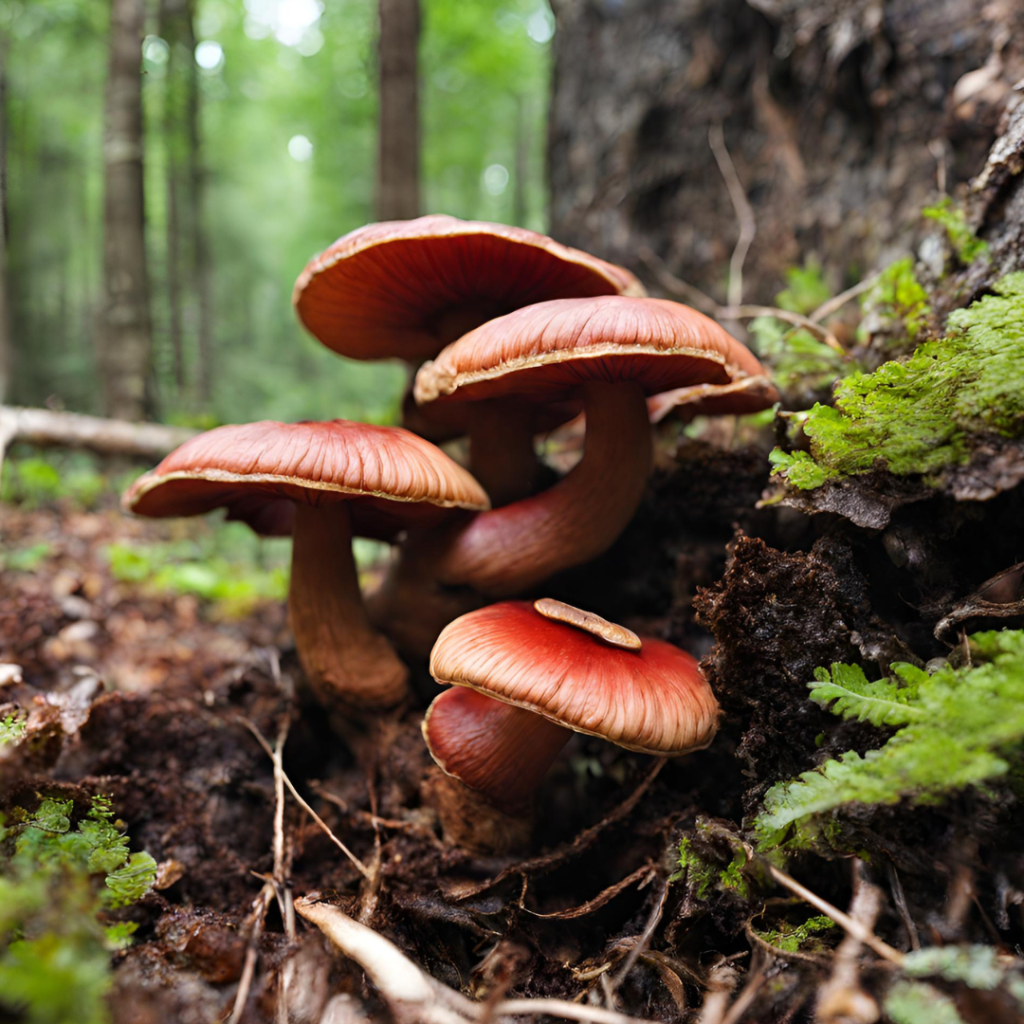
The reishi mushroom, scientifically known as Ganoderma lucidum, thrives on decaying trees, old stumps, and logs, often resembling a varnished surface. Recognizable by its fan or kidney-shaped cap, this mushroom varies in color from red to reddish-brown, with a shiny appearance when young. As it matures, it becomes tougher and darker, with spores emerging from tiny pores on the underside. While technically edible when cooked, reishi mushrooms are rarely consumed due to their bitter taste and tough texture. They can be found in capsule form, but our favorite way to use reishi is in powdered form because it can easily be added to baked goods and other recipes!
Medicinally, reishi mushrooms are celebrated for their potent anti-inflammatory properties, making them valuable for managing inflammatory conditions such as ulcerative colitis and inflammatory bowel diseases. Their adaptogenic nature helps the body cope with stress-related inflammation, hormonal imbalances, and immune dysregulation. Additionally, reishi mushrooms exhibit neuroprotective effects and are beneficial for treating conditions like leaky gut, which often accompany inflammatory bowel diseases.
Beyond inflammation, reishi mushrooms offer a myriad of health benefits. They are rich in antioxidants, supporting liver function and combating oxidative stress. Used traditionally in cancer treatment, reishi mushrooms enhance immune function and exhibit anti-tumor activity. They also aid in managing conditions such as fatigue, depression, insomnia, and anxiety, promoting overall well-being and quality of life.
Furthermore, reishi mushrooms possess antimicrobial, antifungal, antibacterial, and antiviral properties, making them effective in treating infections and boosting immune health. They support heart health by improving blood flow, lowering cholesterol levels, and regulating blood pressure. Additionally, reishi mushrooms offer relief from altitude sickness, bronchitis, allergies, asthma, and seizures.
Despite their numerous health benefits, caution is advised when using reishi mushrooms. It’s essential to source them from reputable suppliers and consult experts before use, especially for pregnant or breastfeeding individuals or those with bleeding disorders. However, when used responsibly, reishi mushrooms can be a valuable ally in promoting overall health and well-being.
For medicinal use, consider preparing reishi mushroom tinctures using the double-extraction method to extract both water-soluble and alcohol-soluble compounds effectively. This ensures maximum potency and therapeutic benefits.
Some of the most common uses of reishi:
- Traditional Use: Reishi mushrooms have a long history of use in traditional Chinese medicine, where they are revered as a symbol of longevity and vitality. Ancient texts describe reishi as the “mushroom of immortality” and attribute various health benefits to its consumption.
- Cultivation and Commercial Use: While reishi mushrooms can be found growing in the wild, they are also cultivated for commercial purposes in many parts of the world. Controlled cultivation ensures standardized quality and availability for medicinal and dietary supplement purposes.
- Nutritional Profile: In addition to their medicinal properties, reishi mushrooms offer a range of essential nutrients, including vitamins, minerals, and amino acids. They are particularly rich in polysaccharides, triterpenoids, and other bioactive compounds responsible for their therapeutic effects.
- Dosage and Administration: When using reishi mushrooms for medicinal purposes, it’s essential to follow recommended dosage guidelines and consult healthcare professionals for personalized advice. While tinctures are a common form of administration, reishi supplements are also available in capsules, powders, and teas.
- Research and Clinical Studies: Scientific research on reishi mushrooms has expanded in recent years, validating many of their traditional uses and exploring new therapeutic applications. Clinical studies have investigated their effects on conditions such as cancer, diabetes, cardiovascular disease, and immune disorders, yielding promising results.
- Safety and Side Effects: While generally considered safe for most people when used appropriately, reishi mushrooms may cause mild side effects in some individuals, such as upset stomach, diarrhea, or allergic reactions. It’s crucial to discontinue use and seek medical attention if adverse reactions occur.
- Quality Control and Certification: To ensure the safety and efficacy of reishi mushroom products, consumers should look for products that undergo rigorous quality control testing and are certified by reputable regulatory agencies. This helps to guarantee product purity, potency, and adherence to good manufacturing practices.
- Integration with Conventional Medicine: Reishi mushrooms are increasingly being integrated into conventional medical practices as complementary or adjunctive therapies. Healthcare professionals may recommend their use alongside standard treatments to enhance therapeutic outcomes and improve overall patient well-being.
 Gut Friendly Kitchen
Leave a comment