
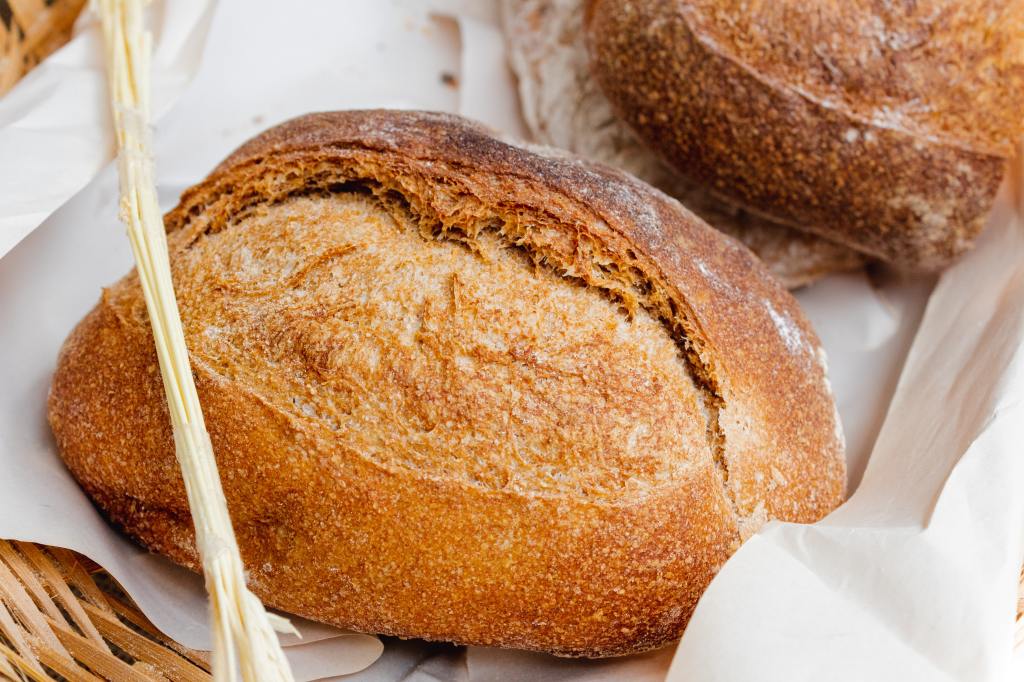
Einkorn flour is an ancient wheat variety that can be used as a healthier alternative to modern wheat in many recipes. However, it does require some adjustments because its gluten structure is different from that of modern wheat. Here’s a general guideline for substituting all-purpose flour with einkorn flour in recipes:
Substituting All-Purpose Flour with Einkorn Flour:
- Start with a 1:1 Ratio: For many recipes, you can start by replacing all-purpose flour with einkorn flour in a 1:1 ratio. This means if a recipe calls for 1 cup of all-purpose flour, you can use 1 cup of einkorn flour.
- Reduce Liquid: Einkorn flour tends to absorb less liquid than all-purpose flour, so you may need to reduce the liquid in your recipe slightly. Start by reducing the liquid by about 15-20% compared to what the original recipe calls for.
- Mixing and Kneading: Einkorn dough can be stickier and softer than dough made with all-purpose flour. Be prepared for this, and don’t be tempted to add too much extra flour during kneading. You can use a bit of extra einkorn flour to dust your hands and the surface lightly.
- Baking Time and Temperature: Einkorn flour may require slightly lower baking temperatures and longer baking times than recipes that use all-purpose flour. Keep an eye on your baked goods and adjust as needed.
- Experiment and Adjust: Einkorn behaves differently in recipes, so it’s a good idea to experiment and adjust as needed for each specific recipe. You may need to tweak the liquid, baking time, or other ingredients to achieve the desired results.
- Consider the Recipe: Keep in mind that some recipes may adapt better to einkorn flour than others. Recipes like pancakes, muffins, and cookies tend to be more forgiving when substituting einkorn flour, while recipes that rely heavily on gluten structure, like bread, may require more significant adjustments.
If you want to incorporate einkorn flour into a recipe without substituting it entirely, you can blend it with other flours to achieve a balance between the unique qualities of einkorn and the desired texture and structure of your baked goods. Here are some flours that einkorn combines well with in partial substitutions:
- All-Purpose Flour: If you’re just starting to use einkorn and want to maintain the familiarity of all-purpose flour, you can blend the two. Start by replacing a portion of the all-purpose flour with einkorn, perhaps around 25-50%. This way, you retain some of the characteristics of all-purpose flour while introducing the flavor and nutrition of einkorn.
- Whole Wheat Flour: Mixing einkorn with whole wheat flour can create a balanced blend for recipes like bread, muffins, and pancakes. You can try a 50/50 mix or adjust the ratio to your taste preferences. This combination provides the nutritional benefits of whole wheat while still incorporating einkorn’s unique flavor.
- Spelt Flour: Spelt is another ancient grain similar to einkorn, and the two flours complement each other nicely. A blend of einkorn and spelt can work well for recipes like bread, pizza dough, or pasta. Start with a 1:1 ratio and adjust as needed.
- Rice Flour: For gluten-free baking, you can mix einkorn with rice flour or a gluten-free flour blend. This is a suitable option for individuals with gluten sensitivity or those looking for gluten-free alternatives. Adjust the ratio depending on the specific recipe and desired texture.
- Almond Flour or Coconut Flour: In recipes where you want a nutty or coconut flavor, you can combine einkorn with almond or coconut flour. These combinations are often used in gluten-free and grain-free baking.
Remember that the ratio of einkorn to other flours can vary depending on the recipe and your preferences. Start with small substitutions and adjust as needed based on the texture and taste of your final product. Experimentation will help you find the perfect balance for your specific recipes while enjoying the unique qualities of einkorn flour.
What does it taste like?
Einkorn flour does have a somewhat different taste compared to modern wheat flour. It’s often described as having a milder, nuttier, and slightly sweeter flavor. Some people also note floral or earthy undertones in einkorn flour. This subtle difference in taste can add a unique and pleasant dimension to baked goods.
The flavor of einkorn can be especially noticeable in recipes where the flour plays a prominent role, such as bread or pasta. In these cases, you may find that einkorn imparts a distinct, appealing taste to the final product.
However, it’s important to keep in mind that the flavor difference is relatively subtle, and many people find it quite enjoyable. If you’re transitioning from modern wheat flour to einkorn flour in your recipes, you might appreciate the unique taste it brings to your baked goods. It can be a delightful change for those looking to explore alternative grains in their cooking and baking.
 Gut Friendly Kitchen
Leave a comment